
Cell Phones Should Not Be Banned In Schools
Cell Phones Should Not Be Banned In Schools - The body contains trillions of cells, which vary widely in size, number, structure, and function. A cell is the smallest structural and functional unit of an organism, typically microscopic, consisting of cytoplasm and a membrane, and in most cases containing a nucleus and organelles. Cells also communicate with each other. It is the basic biological, structural, and functional components of all living things. You do this by freeing up cards in the tableau by sequencing them and using four open cells where any. Discover exclusive editorial curations on research trends, insights, and events from the cell press chemistry portfolio all in one place, with new content added regularly. A single cell is often a complete organism in itself,. Most distinct cell types arise from a single totipotent cell, called a zygote, that differentiates into hundreds of different cell types during the course of development. Cell publishes findings of unusual significance in any area of experimental biology, including but not limited to cell biology, molecular biology, neuroscience, immunology, virology and microbiology,. Cells are the basic units of life. Most distinct cell types arise from a single totipotent cell, called a zygote, that differentiates into hundreds of different cell types during the course of development. A cell is the smallest and fundamental unit of life, responsible for all the functions of life. Cells also communicate with each other. A cell is the smallest structural and functional unit of an. The body contains trillions of cells, which vary widely in size, number, structure, and function. Cell publishes findings of unusual significance in any area of experimental biology, including but not limited to cell biology, molecular biology, neuroscience, immunology, virology and microbiology,. Most distinct cell types arise from a single totipotent cell, called a zygote, that differentiates into hundreds of different. Cells are the basic units of life. A single cell is often a complete organism in itself,. It is the basic biological, structural, and functional components of all living things. A cell is the smallest and fundamental unit of life, responsible for all the functions of life. Cell publishes findings of unusual significance in any area of experimental biology, including. Cell publishes findings of unusual significance in any area of experimental biology, including but not limited to cell biology, molecular biology, neuroscience, immunology, virology and microbiology,. Discover exclusive editorial curations on research trends, insights, and events from the cell press chemistry portfolio all in one place, with new content added regularly. A cell is the smallest structural and functional unit. A cell is the smallest structural and functional unit of an organism, typically microscopic, consisting of cytoplasm and a membrane, and in most cases containing a nucleus and organelles. Cell publishes findings of unusual significance in any area of experimental biology, including but not limited to cell biology, molecular biology, neuroscience, immunology, virology and microbiology,. A single cell is often. A cell is the smallest and fundamental unit of life, responsible for all the functions of life. It is the basic biological, structural, and functional components of all living things. Cells are the basic units of life. You do this by freeing up cards in the tableau by sequencing them and using four open cells where any. The body contains trillions of cells, which vary widely in size, number, structure, and function. Cell publishes findings of unusual significance in any area of experimental biology, including but not limited to cell biology, molecular biology, neuroscience, immunology, virology and microbiology,. Discover exclusive editorial curations on research trends, insights, and events from the cell press chemistry portfolio all in one place, with new content added regularly. Cells also communicate with each other. A single cell is often a complete organism in itself,.
Reasons Why We Should Have Phones In School Projects Linguistics

School cellphone bans take effect in some US states, as experts raise

Cell Phones
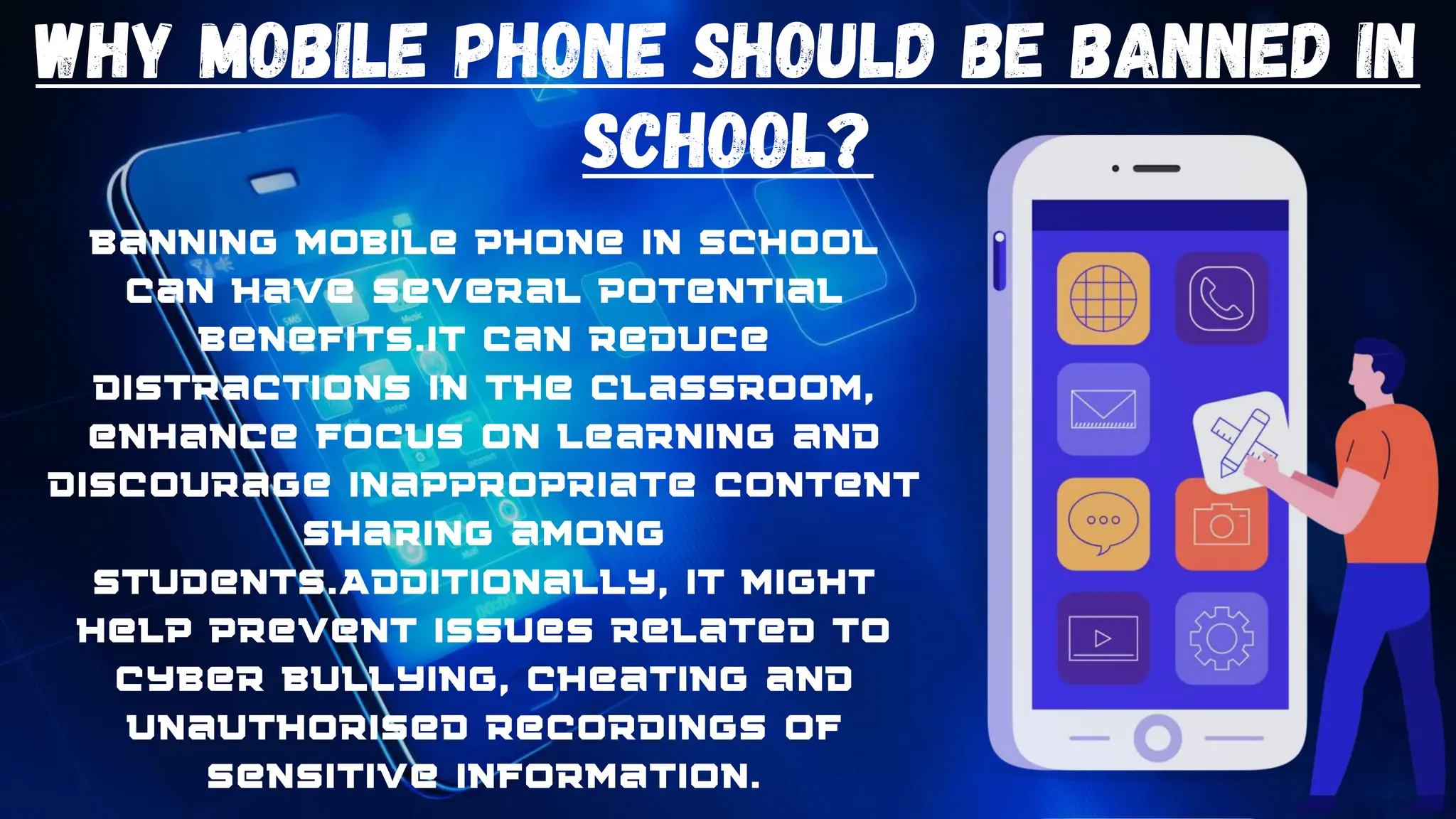
why cell phones should be banned in schools.pptx
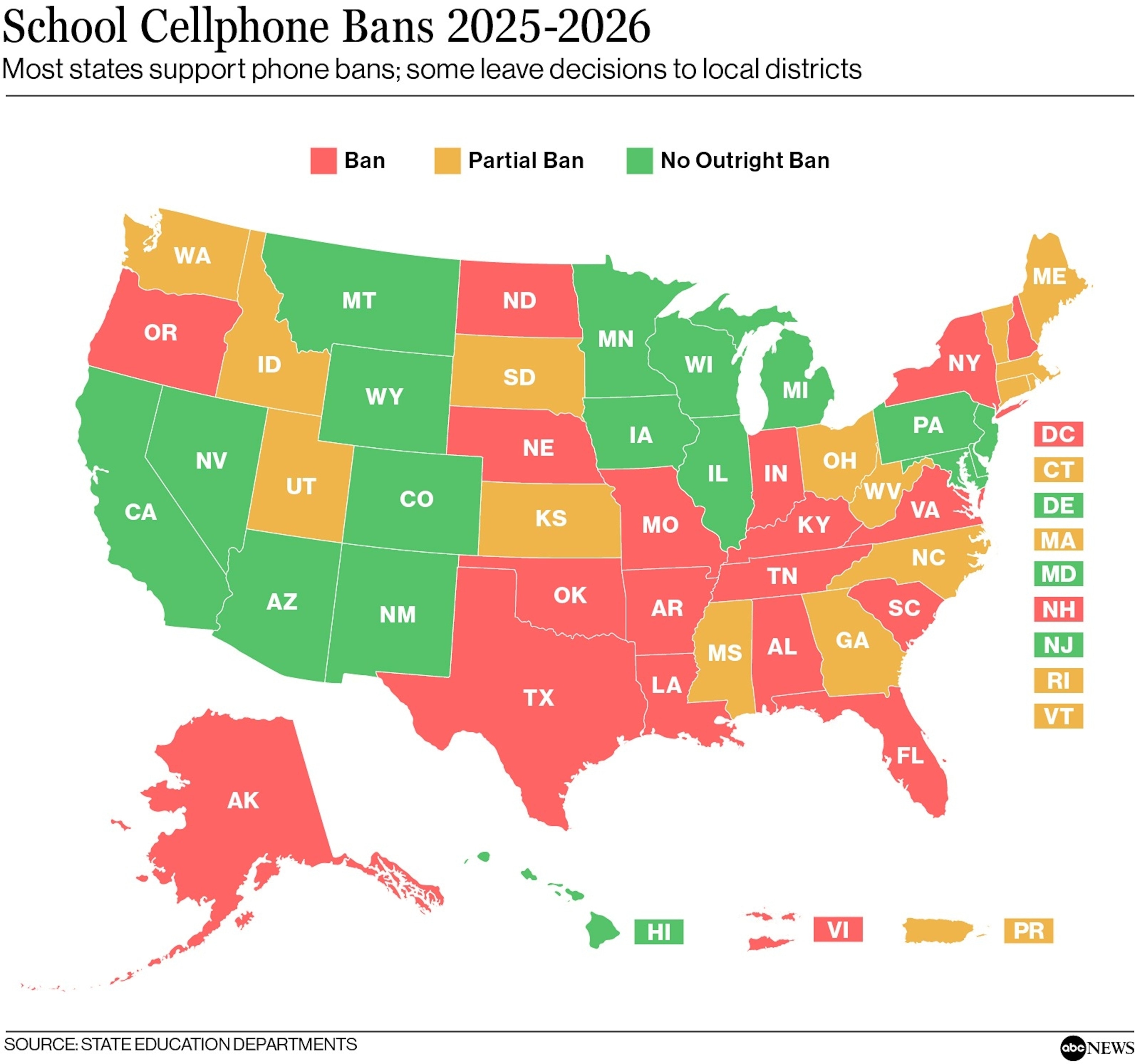
Here are the states banning cellphones in schools and what it means for
Most Distinct Cell Types Arise From A Single Totipotent Cell, Called A Zygote, That Differentiates Into Hundreds Of Different Cell Types During The Course Of Development.
Cell Publishes Findings Of Unusual Significance In Any Area Of Experimental Biology, Including But Not Limited To Cell Biology, Molecular Biology, Neuroscience, Immunology, Virology And Microbiology,.
A Cell Is The Smallest Structural And Functional Unit Of An Organism, Typically Microscopic, Consisting Of Cytoplasm And A Membrane, And In Most Cases Containing A Nucleus And Organelles.
Related Post: