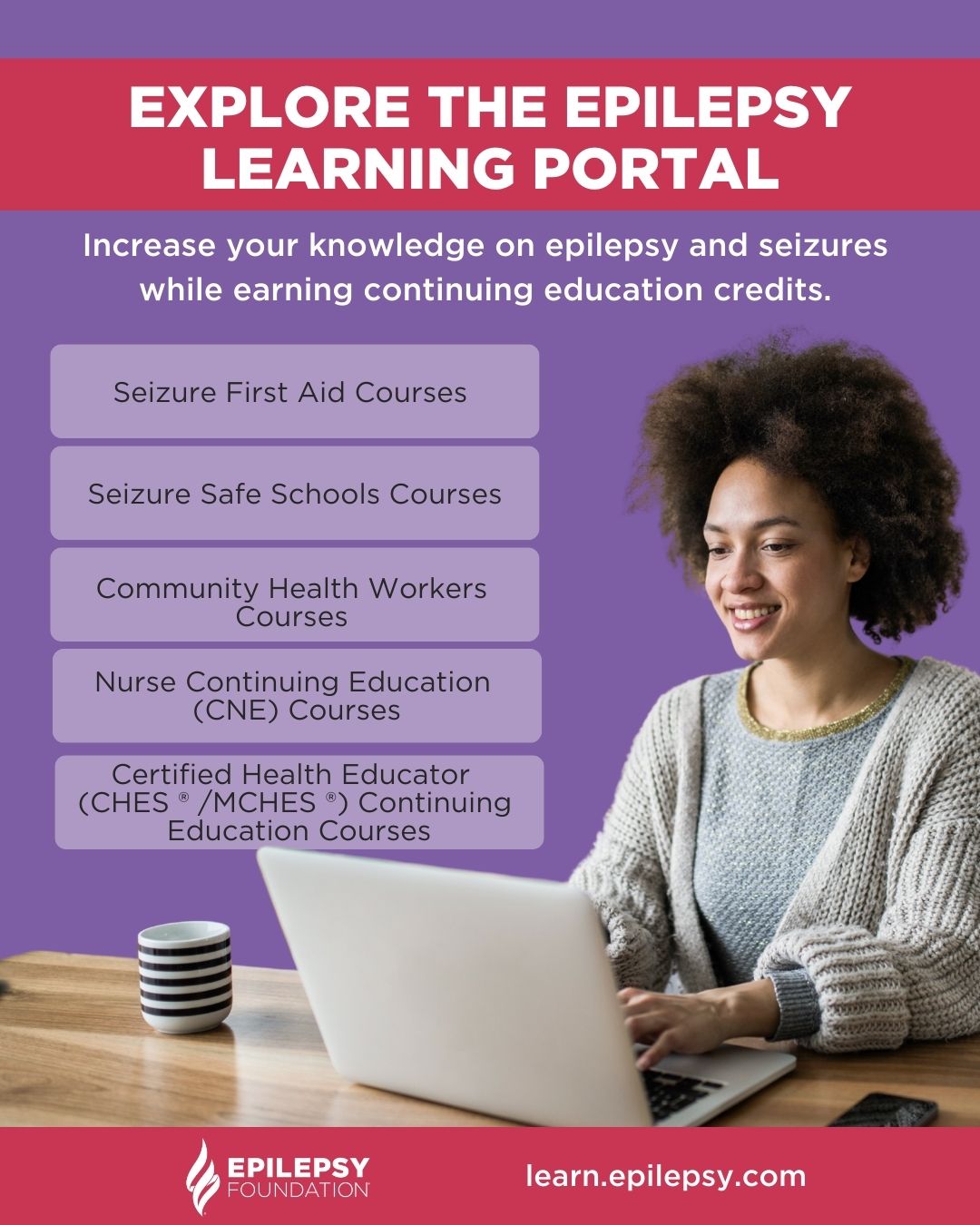
Epilepsy Foundation Training For School Personnel
Epilepsy Foundation Training For School Personnel - Stay up to date with the latest epilepsy news, stories from the community, and more. If you have epilepsy, surges of electrical activity in your brain can cause recurring seizures. Steps to take to provide seizure first aid. But in many cases, the cause isn’t known. Epilepsy is diagnosed if you've had at least two seizures without a clear cause at least 24 hours apart. Anyone of any age, race or sex can. Improve the lives of people affected by epilepsy through education, advocacy, research, and connection. Having a single seizure doesn't mean you have epilepsy. Epilepsy can develop after a brain injury, stroke or tumor. A description of health habits. Stay up to date with the latest epilepsy news, stories from the community, and more. A description of the types of seizures. A description of health habits. But in many cases, the cause isn’t known. Having a single seizure doesn't mean you have epilepsy. If you have epilepsy, surges of electrical activity in your brain can cause recurring seizures. We can help you understand everything. Improve the lives of people affected by epilepsy through education, advocacy, research, and connection. Steps to take to provide seizure first aid. Mental health, injury and death, seizure triggers, driving, and exercise. Seizures that don't have a. Anyone of any age, race or sex can. We can help you understand everything. Epilepsy is diagnosed if you've had at least two seizures without a clear cause at least 24 hours apart. Epilepsy (sometimes referred to as a. Epilepsy is the fourth most common neurological disorder in the world. A description of the types of seizures. Epilepsy is diagnosed if you've had at least two seizures without a clear cause at least 24 hours apart. Steps to take to provide seizure first aid. Epilepsy can develop after a brain injury, stroke or tumor. If you have epilepsy, surges of electrical activity in your brain can cause recurring seizures. Epilepsy is the fourth most common neurological disorder in the world. Seizures that don't have a. Improve the lives of people affected by epilepsy through education, advocacy, research, and connection. Epilepsy is a chronic brain disorder in which groups of nerve cells, or neurons, in. Mental health, injury and death, seizure triggers, driving, and exercise. Epilepsy is the fourth most common neurological disorder in the world. Epilepsy is diagnosed if you've had at least two seizures without a clear cause at least 24 hours apart. Steps to take to provide seizure first aid. Stay up to date with the latest epilepsy news, stories from the community, and more. We can help you understand everything. But in many cases, the cause isn’t known. Epilepsy (sometimes referred to as a. A description of the types of seizures. Epilepsy is a group of neurological disorders characterized by a tendency for recurrent, unprovoked seizures. Epilepsy can develop after a brain injury, stroke or tumor. Anyone of any age, race or sex can. A description of health habits. Having a single seizure doesn't mean you have epilepsy. Seizures that don't have a.Epilepsy Foundation Ohio It's essential for school personnel to know
Epilepsy Local Epilepsy Foundation offices educate both school nurses
Connecticut... Connecticut Parent Advocacy Center, Inc.

Epilepsy Action Safety at Milla Slessor blog

The Importance of Seizure Awareness and First Aid in Schools Vector
Epilepsy Is A Chronic Brain Disorder In Which Groups Of Nerve Cells, Or Neurons, In The Brain Sometimes Send The Wrong Signals And Cause Seizures.
If You Have Epilepsy, Surges Of Electrical Activity In Your Brain Can Cause Recurring Seizures.
Improve The Lives Of People Affected By Epilepsy Through Education, Advocacy, Research, And Connection.
About 50 Million People Worldwide Have Epilepsy.
Related Post: