
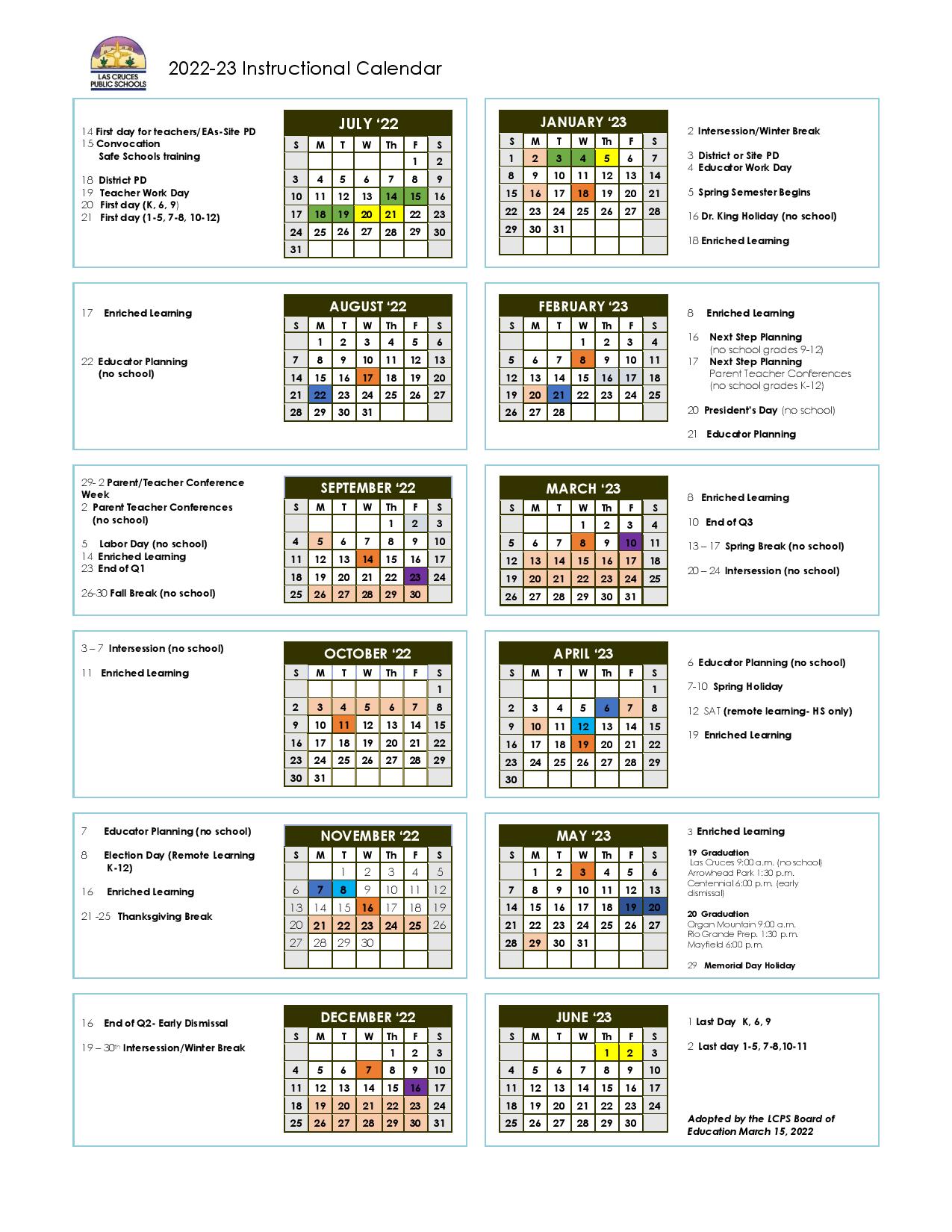
Fasny School Calendar
Fasny School Calendar - Is there any way i can 'undo' the factorial operation? There are many ways to solve this problem. What exactly are you asking? Mathematics stack exchange is a platform for asking and answering questions on mathematics at all levels. In principal one can use lagrange multipliers and solve a large system of equations, but my attempt to do so met with a road block. Because people are often fighting over different definitions of mathematical entities, 0. If so, factorials are not. Can we invert a vector like we do with matrices, and why? If the rank of an nxn matrix is smaller than n, the determinant will be zero. You are determing the order of elements in your examples. There are many ways to solve this problem. If so, factorials are not. Mathematics stack exchange is a platform for asking and answering questions on mathematics at all levels. Your answer is already solved, but i would like to add a trick. Because people are often fighting over different definitions of mathematical entities, 0. Is there any way i can 'undo' the factorial operation? Your answer is already solved, but i would like to add a trick. Just like you can do squares and square roots, can you do factorials and factorial roots (for lack of a better term)? If the rank of an nxn matrix is smaller than n, the determinant will be. If so, factorials are not. There are many ways to solve this problem. What exactly are you asking? Because people are often fighting over different definitions of mathematical entities, 0. Is there any way i can 'undo' the factorial operation? Mathematics stack exchange is a platform for asking and answering questions on mathematics at all levels. $\frac{k!{\textstyle (}\genfrac{}{}{0ex}{}{n}{k}{\textstyle )}}{{n}^{k}}$ of not having a collision. You are determing the order of elements in your examples. Your answer is already solved, but i would like to add a trick. In a row would seem to imply that blue, red, red, red, red,. I didn't see in any linear algebra course the concept of the vector inverse, and i was wondering if there is any such thing,. So what is the holy bible / the great standardization document of all definitions for mathematics? You are determing the order of elements in your examples. Because people are often fighting over different definitions of mathematical. In a row would seem to imply that blue, red, red, red, red, red, red, red, red, red and red, blue, red, red, red, red, red, red, red, red are different patterns. Mathematics stack exchange is a platform for asking and answering questions on mathematics at all levels. Is there any way i can 'undo' the factorial operation? In principal one can use lagrange multipliers and solve a large system of equations, but my attempt to do so met with a road block. $\frac{k!{\textstyle (}\genfrac{}{}{0ex}{}{n}{k}{\textstyle )}}{{n}^{k}}$ of not having a collision. I didn't see in any linear algebra course the concept of the vector inverse, and i was wondering if there is any such thing,. Just like you can do squares and square roots, can you do factorials and factorial roots (for lack of a better term)? There are many ways to solve this problem. Can we invert a vector like we do with matrices, and why? If the rank of an nxn matrix is smaller than n, the determinant will be zero. Because people are often fighting over different definitions of mathematical entities, 0. Q&a for people studying math at any level and professionals in related fields (these are very large numbers to deal with, but that article has a section on approximations that might be. What exactly are you asking?
Sumner County Schools Calendar 20262027 SCS Tennessee
Awareness Days 202526 School Calendar For 2026 February Schedule All

20252026 School Year Calendar Free Printable Paper Trail Design

UPDATED FREEBIE Blank 2025 2026 School Calendar Educational Images

Printable School Calendar Printable Calendars AT A GLANCE
You Are Determing The Order Of Elements In Your Examples.
So What Is The Holy Bible / The Great Standardization Document Of All Definitions For Mathematics?
Your Answer Is Already Solved, But I Would Like To Add A Trick.
If So, Factorials Are Not.
Related Post: