
Firewalls For Schools
Firewalls For Schools - Firewalls scrutinise network packets and implement security policies, effectively barring unauthorised users or potentially harmful data from infiltrating or exiting a network. Discover the different types of firewalls and their functions. They prevent bad actors — hackers, bots, and other threats — from overloading or infiltrating a private. A firewall is a network security system, available as hardware or software, that monitors and controls incoming and outgoing traffic based on predefined rules. Firewalls are the bedrock of network security, shielding the network from unauthorized access. Firewalls scrutinize network packets and implement security policies, effectively barring unauthorized users or potentially harmful data from infiltrating or exiting a network. For example, a firewall might be configured to block incoming ftp requests to prevent unauthorized. It acts like a security guard,. Firewalls protect against cyber attacks by blocking malicious traffic. Learn more about how firewalls work, different types of firewalls & firewall examples. Firewalls scrutinize network packets and implement security policies, effectively barring unauthorized users or potentially harmful data from infiltrating or exiting a network. A firewall is a network security system, available as hardware or software, that monitors and controls incoming and outgoing traffic based on predefined rules. It acts like a security guard,. Firewalls employ rules that stipulate which services should. Discover the different types of firewalls and their functions. Firewalls scrutinize network packets and implement security policies, effectively barring unauthorized users or potentially harmful data from infiltrating or exiting a network. Learn which firewall solution best fits your organization's cybersecurity needs. Firewalls employ rules that stipulate which services should be accessible, to whom, and in what context. For example, a. Firewalls are the bedrock of network security, shielding the network from unauthorized access. They prevent bad actors — hackers, bots, and other threats — from overloading or infiltrating a private. A firewall is a network security system, available as hardware or software, that monitors and controls incoming and outgoing traffic based on predefined rules. Firewalls employ rules that stipulate which. A firewall is a network security system, available as hardware or software, that monitors and controls incoming and outgoing traffic based on predefined rules. Discover the different types of firewalls and their functions. It acts like a security guard,. Learn which firewall solution best fits your organization's cybersecurity needs. Learn more about how firewalls work, different types of firewalls &. Firewalls scrutinise network packets and implement security policies, effectively barring unauthorised users or potentially harmful data from infiltrating or exiting a network. Learn which firewall solution best fits your organization's cybersecurity needs. Learn more about how firewalls work, different types of firewalls & firewall examples. Firewalls scrutinize network packets and implement security policies, effectively barring unauthorized users or potentially harmful. Firewalls employ rules that stipulate which services should be accessible, to whom, and in what context. Firewalls scrutinise network packets and implement security policies, effectively barring unauthorised users or potentially harmful data from infiltrating or exiting a network. Firewalls are the bedrock of network security, shielding the network from unauthorized access. It acts like a security guard,. Learn more about how firewalls work, different types of firewalls & firewall examples. Learn which firewall solution best fits your organization's cybersecurity needs. They prevent bad actors — hackers, bots, and other threats — from overloading or infiltrating a private. Firewalls scrutinize network packets and implement security policies, effectively barring unauthorized users or potentially harmful data from infiltrating or exiting a network. A firewall is a network security system, available as hardware or software, that monitors and controls incoming and outgoing traffic based on predefined rules.
What Is A Firewall? Exa Networks

Comprehensive Examples of Firewall Types for Effective Security

Advanced Firewalls for School Networks Scientel Solutions
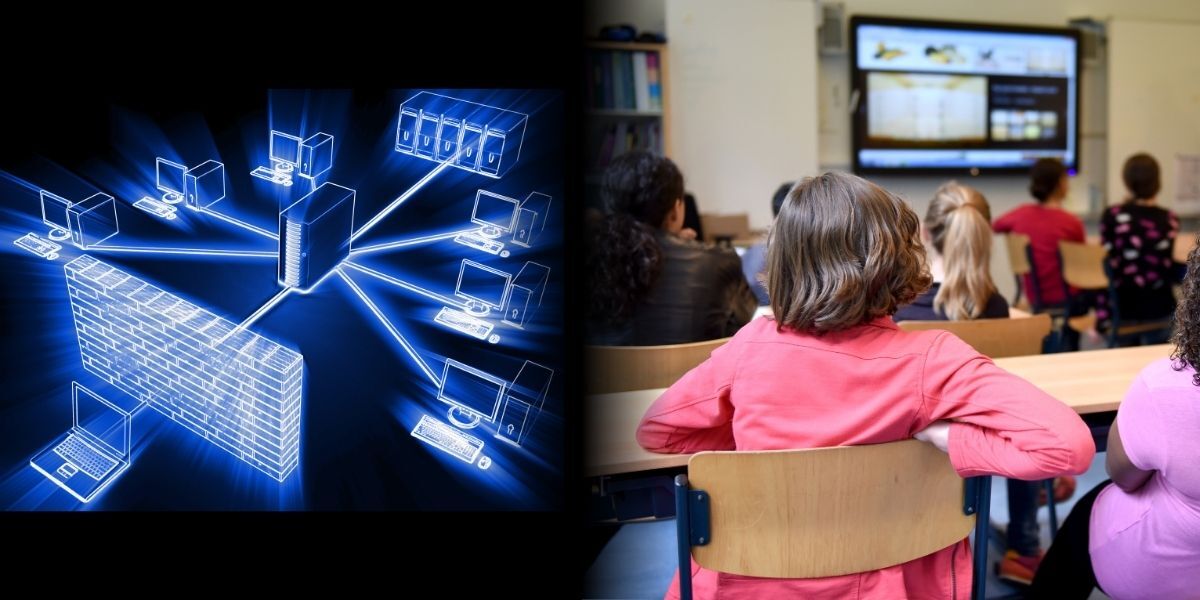
Why School Firewalls Alone Aren’t Enough for Cyber Defense

Why schools need more than just a standard Firewall Beaming
Firewalls Protect Against Cyber Attacks By Blocking Malicious Traffic.
Discover The Different Types Of Firewalls And Their Functions.
For Example, A Firewall Might Be Configured To Block Incoming Ftp Requests To Prevent Unauthorized.
Related Post: