
Nuclear Medicine Technologists School
Nuclear Medicine Technologists School - Over 50 countries utilize nuclear energy in about 220. Nuclear energy is a form of energy released from the nucleus, the core of atoms, made up of protons and neutrons. Search for any song or artist, build playlists, and start listening. Nuclear is often labeled “clean” energy because no. Presently, the vast majority of electricity. Nuclear energy, energy that is released in significant amounts in processes that affect atomic nuclei, the dense cores of atoms. Nuclear power is the use of nuclear reactions to produce electricity. Nuclear power plants generate electricity by using controlled nuclear fission chain reactions to heat water and produce steam that powers turbines. This source of energy can be produced in two ways: One method of releasing nuclear energy is by controlled. Nuclear power plants generate electricity by using controlled nuclear fission chain reactions to heat water and produce steam that powers turbines. Presently, the vast majority of electricity. Nuclear power, the use of sustained nuclear fission to generate heat and electricity, provides around 6 percent of the world's energy. Information on nuclear energy and the nuclear fuel cycle from the world. Nuclear energy is a form of energy released from the nucleus, the core of atoms, made up of protons and neutrons. Nuclear power can be obtained from nuclear fission, nuclear decay and nuclear fusion reactions. Search for any song or artist, build playlists, and start listening. A nuclear power plant (npp), [1] also known as a nuclear power station (nps),. Nuclear energy is a form of energy released from the nucleus, the core of atoms, made up of protons and neutrons. Nuclear power is the use of nuclear reactions to produce electricity. Nuclear power, the use of sustained nuclear fission to generate heat and electricity, provides around 6 percent of the world's energy. Information on nuclear energy and the nuclear. Nuclear energy, energy that is released in significant amounts in processes that affect atomic nuclei, the dense cores of atoms. Learn all about nuclear power directly from nuclear engineers, from the basics to detailed deep dives into types of reactors, nuclear history, economics, and nuclear waste One method of releasing nuclear energy is by controlled. A nuclear power plant (npp),. Nuclear energy is a form of energy released from the nucleus, the core of atoms, made up of protons and neutrons. Over 50 countries utilize nuclear energy in about 220. Information on nuclear energy and the nuclear fuel cycle from the world nuclear association. Search for any song or artist, build playlists, and start listening. A nuclear power plant (npp),. Nuclear power can be obtained from nuclear fission, nuclear decay and nuclear fusion reactions. Presently, the vast majority of electricity. Information on nuclear energy and the nuclear fuel cycle from the world nuclear association. One method of releasing nuclear energy is by controlled. Nuclear energy, energy that is released in significant amounts in processes that affect atomic nuclei, the dense cores of atoms. Search for any song or artist, build playlists, and start listening. Nuclear is often labeled “clean” energy because no. Nuclear power is the use of nuclear reactions to produce electricity. Over 50 countries utilize nuclear energy in about 220. Nuclear power, the use of sustained nuclear fission to generate heat and electricity, provides around 6 percent of the world's energy. Nuclear power plants generate electricity by using controlled nuclear fission chain reactions to heat water and produce steam that powers turbines. A nuclear power plant (npp), [1] also known as a nuclear power station (nps), nuclear generating station (ngs) or atomic power station (aps) is a thermal power station in which the heat source is a.
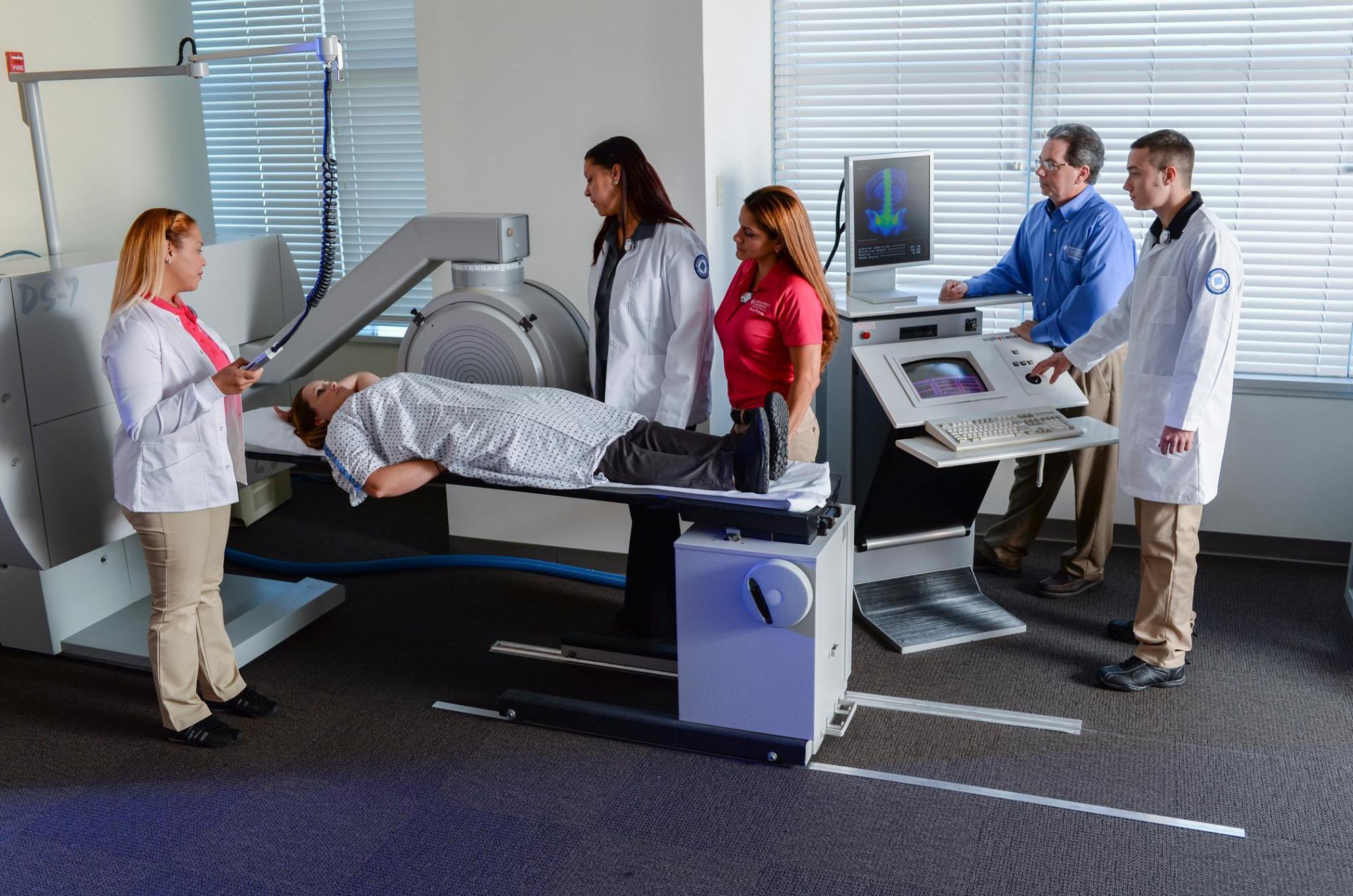
Nuclear Medicine Technologist Schools

Nuclear Medicine Technology AS Hillsborough College

Michigan’s lone Nuclear Medicine Technology program at Ferris State

Nuclear Energy Is A Form Of Energy Released From The Nucleus, The Core Of Atoms, Made Up Of Protons And Neutrons.
This Source Of Energy Can Be Produced In Two Ways:
Learn All About Nuclear Power Directly From Nuclear Engineers, From The Basics To Detailed Deep Dives Into Types Of Reactors, Nuclear History, Economics, And Nuclear Waste
Related Post: