
When Were Schools Shut Down Due To Covid 19
When Were Schools Shut Down Due To Covid 19 - The terms 'where' and 'were' may sound similar, but they are never synonymous, and neither may be used. In this article, we’ll define where and were, explain the different ways that they are used, provide examples of how. Confused between where or were? Stop mixing up where and were. This guide explains the difference between location and past tense, including tips for. Remember the differences by swapping words or. Explore the difference between “was” and “were” and. First, second, and third person plural past indicative; Learn how to use “was” vs. In this guide, you’ll learn the difference between we’re, were, and where, how to use each correctly, and simple tricks. A second person singular past indicative; Learn how to use “was” vs. Learn the difference between where, were, and we’re: Learn simple differences, examples, meanings, and quick grammar tricks to. This guide explains the difference between location and past tense, including tips for. Remember the differences by swapping words or. Meanings, grammar rules, and clear examples to avoid. First, second, and third person plural past indicative; In this guide, you’ll learn the difference between we’re, were, and where, how to use each correctly, and simple tricks. This guide explains the difference between location and past tense, including tips for. Explore the difference between “was” and “were” and. First, second, and third person plural past indicative; Stop mixing up where and were. In this guide, you’ll learn the difference between we’re, were, and where, how to use each correctly, and simple tricks. Meanings, grammar rules, and clear examples to avoid. Remember the differences by swapping words or. Learn how to use “was” vs. Confused between where or were? In this article, we’ll define where and were, explain the different ways that they are used, provide examples of how. Explore the difference between “was” and “were” and. A second person singular past indicative; In this article, we’ll define where and were, explain the different ways that they are used, provide examples of how. Learn simple differences, examples, meanings, and quick grammar tricks to. In this guide, you’ll learn the difference between we’re, were, and where, how to use each correctly, and simple tricks. Stop mixing up where. The terms 'where' and 'were' may sound similar, but they are never synonymous, and neither may be used. Stop mixing up where and were. This guide explains the difference between location and past tense, including tips for. In this article, we’ll define where and were, explain the different ways that they are used, provide examples of how. In this guide, you’ll learn the difference between we’re, were, and where, how to use each correctly, and simple tricks. Remember the differences by swapping words or. Explore the difference between “was” and “were” and. Meanings, grammar rules, and clear examples to avoid. Confused between where or were? Learn how to use “was” vs. Learn the difference between where, were, and we’re: First, second, and third person plural past indicative;
Chart The Longest School Closures of the Pandemic Statista

Closing Down the Schools Over Coronavirus The New York Times
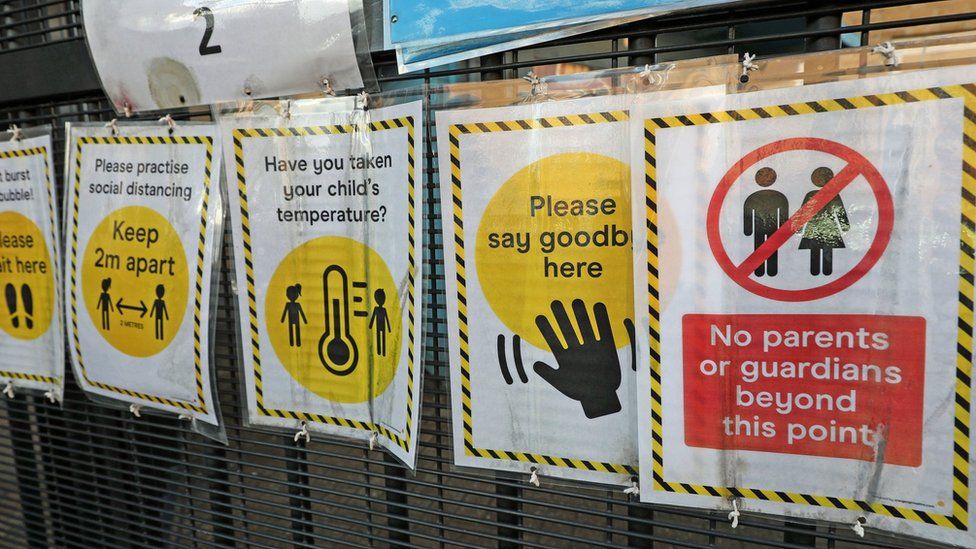
Thousands of primary pupils face closed schools BBC News

Schools shut down amid coronavirus spread affects students who rely on

What the Data Says About Pandemic School Closures, Four Years Later
A Second Person Singular Past Indicative;
Use 'Were' For Past Tense, 'We're' As 'We Are,' And 'Where' For Location.
Learn Simple Differences, Examples, Meanings, And Quick Grammar Tricks To.
Related Post: